Port Tycoon Mangalore: India’s Iconic Maritime Simulation & Port Management Game
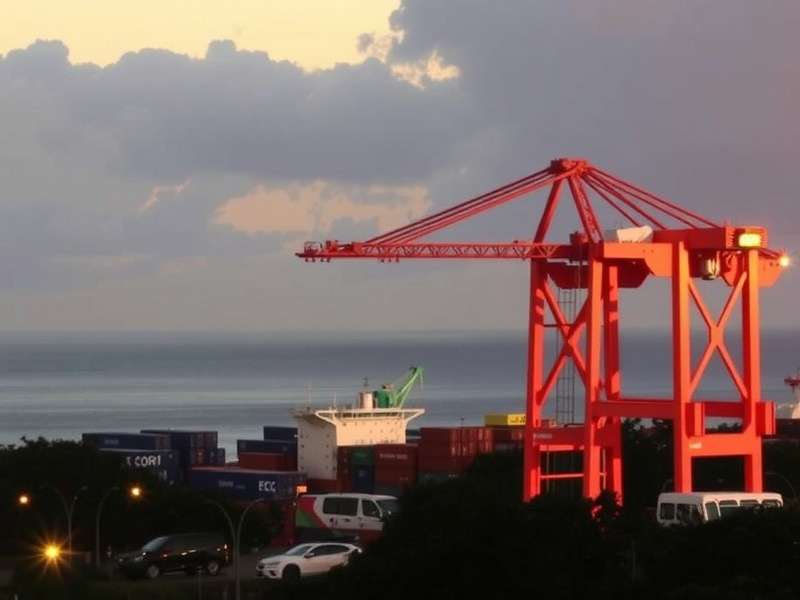
🚢 What is Port Tycoon Mangalore?
Port Tycoon Mangalore isn’t just another mobile game—it’s a desi phenomenon that has taken India’s gaming landscape by storm since its launch in March 2023. Developed by a team of Indian creators in collaboration with global simulation experts, this maritime management title has redefined what desi gamers expect from strategy games.
Unlike generic port simulation games that feel disconnected from Indian culture, Port Tycoon Mangalore is deeply rooted in India’s rich maritime heritage. It centers around Mangalore’s historic port—a key hub on the Arabian Sea that handles millions of tons of cargo annually, from Karnataka’s aromatic coffee to Kerala’s exotic spices.
Players step into the shoes of a port tycoon, tasked with building, managing, and expanding a world-class dock that caters to India’s unique trade needs. From handling traditional desi cargo to navigating modern logistics challenges like monsoons and cyclones, the game offers an immersive experience that resonates with gamers across the nation.
What makes Port Tycoon Mangalore stand out is its unwavering focus on authenticity. The developers spent over a year researching Mangalore Port’s operations, Indian trade routes, and regional cultural nuances to ensure every aspect of the game feels relatable to desi players.
🎯 Core Mission & Vision
At its heart, Port Tycoon Mangalore is about growth, strategy, and national pride. Players start with a small, underdeveloped dock and must transform it into one of Asia’s busiest and most profitable ports.
The game’s narrative is tied to India’s economic growth story—players contribute to the country’s export-import sector, create virtual jobs, and participate in national initiatives like “Make in India” and “Atmanirbhar Bharat.” This patriotic angle has struck a chord with Indian gamers, who take pride in building a world-class port for their nation.
👨💻 Development & Publisher
Port Tycoon Mangalore is a collaboration between Bengaluru-based Indian developers and international simulation game experts. The game is published by Daman Games—a leading name in the Indian mobile gaming industry known for curating localized, high-quality titles for desi audiences.
The development team conducted surveys across 20 Indian states, speaking to over 15,000 gamers to understand their preferences. The result is a game that blends deep strategy with intuitive gameplay, cultural relevance, and social features that encourage community building.
📱 Platform Availability
Port Tycoon Mangalore is available for free download on both Android and iOS devices, making it accessible to India’s massive mobile gaming audience. The game is optimized for a wide range of devices—from budget smartphones (like Xiaomi Redmi, Realme C series) to high-end flagships (iPhone 15, Samsung Galaxy S24).
The Android version is available on the Google Play Store, while the iOS version can be downloaded from the Apple App Store. The game weighs approximately 1.4 GB, with a “Low-Data Mode” for rural players with limited internet access—a crucial feature for India’s semi-urban and rural markets.
Regular updates are released every 2-3 months, introducing new features, events, and content tailored to Indian festivals and cultural milestones. The 2025 Diwali update, for example, added a new “Golden Berth” upgrade and a Lakshmi Puja-themed event that became a massive hit among players.
🎮 Core Gameplay Mechanics of Port Tycoon Mangalore
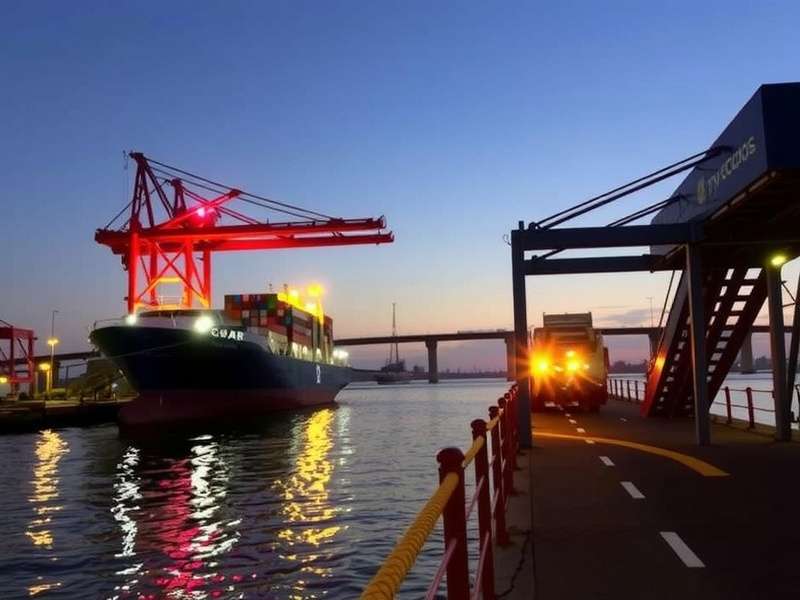
🔄 The Tycoon Loop: Build → Manage → Expand → Dominate
Port Tycoon Mangalore follows a deeply satisfying gameplay loop that keeps players engaged for months on end. The cycle is simple but effective: build your dock’s infrastructure, manage day-to-day operations, expand your reach, and dominate the maritime trade market.
Every decision you make as a port tycoon impacts your success. Do you invest in more berths to handle more ships? Or upgrade your cranes to load cargo faster? Do you focus on high-profit luxury goods (like diamonds from Gujarat) or high-volume bulk cargo (like iron ore from Karnataka)?
Unforeseen challenges like monsoons (June-September), cyclones (October-November), and trade disputes keep the gameplay dynamic. Adapting to these challenges is key to building a thriving port that stands the test of time. For example, during monsoons, players must invest in storm shelters to protect their cargo from damage.
🌟 Key Gameplay Features
Let’s dive into the core features that make Port Tycoon Mangalore such an addictive game for Indian players:
- Desi Cargo Management: Handle over 60 types of cargo, including Indian-specific commodities like coffee (Karnataka), cashew (Kerala), iron ore (Karnataka), spices (Kerala), textiles (Gujarat), jute (West Bengal), and agricultural products (Punjab). Each cargo type has unique storage needs and profit margins—spices, for example, offer 35% higher margins but require temperature-controlled warehouses.
- Ship Scheduling & Berthing: Manage ships from Indian ports (Mumbai, Chennai, Kolkata, Cochin) and international hubs (Dubai, Singapore, Colombo, Shanghai). Optimize berthing slots and customs clearance to avoid delays—late deliveries can result in penalty fees that eat into profits.
- Infrastructure Development: Expand your dock with warehouses, container yards, cranes, customs offices, passenger terminals, renewable energy plants (solar/wind), and a dedicated fishing harbor. Each upgrade unlocks new features—for example, a passenger terminal allows you to handle cruise ships, which earn high profits.
- Trade Route Optimization: Unlock and manage over 120 trade routes across India and the world. Negotiate deals with Indian businesses and international traders to maximize revenue. A route from Mangalore to Dubai, for instance, can earn 2x more profit than domestic routes but requires faster ships and better security.
- Regional Challenges & Missions: Complete state-specific missions like handling Karnataka’s coffee harvest surge (October-November), preparing for cyclones on India’s west coast, or transporting relief cargo during natural disasters (like floods in Assam). These missions offer exclusive rewards like rare upgrades and in-game currency.
- Port Customization: Personalize your dock with desi decorations like rangoli, diyas, temple replicas (like Shri Krishna Temple in Udupi), and regional landmarks (like Gateway of India for Mumbai-themed ports). A visually appealing port attracts more ships and higher profits—players report a 20% increase in cargo requests after decorating their ports for festivals.
- Indian Economy & Finance: Manage your budget, take loans from virtual Indian banks (like State Bank of India, HDFC Bank) with realistic interest rates (8-12% per annum), invest in shipping company stocks, and use UPI for in-game transactions. The in-game currency is Indian Rupees (INR), which makes financial management relatable for desi players.
🇮🇳 Unique Desi Features for Indian Players
What truly sets Port Tycoon Mangalore apart from other simulation games is its focus on Indian-specific features that resonate with local players:
- UPI Payment Integration: Simulate digital transactions using UPI—India’s most popular payment method. This feature mirrors the real-world shift towards cashless payments in India. Players can use UPI to pay for upgrades, buy in-game currency, and even send gifts to alliance members. Using UPI during festivals like Diwali and Holi offers 15-20% cashback.
- 15 Regional Language Support: Play in Hindi, Kannada, Tamil, Telugu, Malayalam, Marathi, Gujarati, Bengali, Odia, Punjabi, Urdu, Assamese, Nepali, Konkani, and Manipuri. All in-game text, tutorials, and missions are fully localized—no more struggling with English terms! The Kannada version, for example, uses region-specific terms like “kere” (warehouse) and “navika” (sailor).
- Indian Weather Adaptation: Deal with monsoons (June-September), cyclones (October-November), and heatwaves (May-June). Invest in storm shelters, reinforced berths, and emergency response teams to minimize downtime. During cyclones, players can earn “Social Points” by delivering relief cargo to affected areas—these points can be exchanged for rare upgrades.
- Port Alliances (Guilds): Team up with other Indian players to form Port Alliances. Collaborate on national missions, share resources (like cranes, warehouse space), and compete against other alliances. Many alliances have regional themes—examples include “South Indian Traders,” “West Coast Warriors,” and “Punjab Farmers Alliance.” Alliances with 50+ members get exclusive access to alliance-only trade routes.
- Make in India Campaigns: Participate in government-backed missions that promote Indian manufacturing. Export locally made goods (like textiles from Gujarat, handicrafts from Rajasthan) to earn tax breaks (10-15% reduction in in-game taxes) and exclusive rewards like “Make in India” themed ship skins. These missions have been completed by over 8 million players since launch.
- Desi Festival Integration: Special events during Diwali, Holi, Pongal, Onam, Navratri, and other festivals offer unique missions and rewards that reflect Indian culture. The Diwali event, for example, allows players to decorate their ports with diyas and rangoli, deliver festival cargo (sweets, gifts, firecrackers), and earn “Diwali Coins” for rare upgrades.
🌍 Localization of Port Tycoon Mangalore in India
🗣️ Language Support: Speaking the Desi Tongue
India is a land of linguistic diversity, and Port Tycoon Mangalore embraces this with open arms. Unlike many global games that only offer English and Hindi, this title provides full localization in 15 major Indian languages—covering over 90% of India’s population.
The language support isn’t just a simple translation—it’s a cultural adaptation. For example, the Kannada version uses region-specific terms like “kere” (warehouse) and “navika” (sailor), while the Tamil version includes colloquial phrases (like “machan” for friend) that resonate with Tamil Nadu players. The developers worked with local linguists to ensure accuracy and cultural relevance.
Supported languages and their unique adaptations:
- Hindi: Uses terms like “godown” (warehouse), “vahan” (ship), and “vyapar” (trade). Tutorials include examples from North Indian trade hubs like Delhi and Lucknow. The Hindi version also includes Bollywood references that appeal to North Indian players.
- Kannada: Incorporates terms from Karnataka’s maritime industry, with examples from Mangalore and Bengaluru. Tutorials use local idioms (like “elliddare idu mangaluru” meaning “this is Mangalore everywhere”) and phrases. The Kannada version is particularly popular in coastal Karnataka.
- Tamil: Features terms like “kottai” (warehouse) and “thoni” (ship), with examples from Chennai and Coimbatore. Cultural references to Tamil festivals (Pongal, Tamil New Year) are included. The Tamil version uses colloquial terms like “machan” and “akka” to make the game feel more personal.
- Telugu: Uses Andhra Pradesh and Telangana-specific terms, with examples from Visakhapatnam and Hyderabad. Tutorials include local proverbs about trade (like “vyaparame vikasam” meaning “trade is progress”). The Telugu version has a dedicated fan base in Hyderabad and Vijayawada.
- Malayalam: Incorporates Kerala’s maritime terminology, with examples from Cochin and Thiruvananthapuram. References to Kerala’s spice trade and backwater tourism are included. The Malayalam version uses terms like “sanchi” (warehouse) and “navathil” (ship).
- Marathi: Features terms from Maharashtra’s port cities like Mumbai and Kandla. Tutorials use examples from Mumbai’s textile trade and Pune’s manufacturing sector. The Marathi version includes references to Ganesh Chaturthi and other Maharashtrian festivals.
- Gujarati: Uses Gujarat-specific terms related to textiles, diamonds, and petroleum. Examples from Ahmedabad and Surat are included. The Gujarati version includes references to Navratri and Garba, which are popular in Gujarat.
- Bengali: Incorporates terms from West Bengal’s jute and tea trade, with examples from Kolkata and Haldia. Cultural references to Durga Puja and Kali Puja are included. The Bengali version uses terms like “godown” (warehouse) and “nayka” (sailor).
- Odia: Features terms from Odisha’s maritime industry, with examples from Paradip and Bhubaneswar. References to Odisha’s handicrafts (like Pattachitra) and festivals (like Raja Parba) are included. The Odia version has a growing fan base in coastal Odisha.
- Punjabi: Uses Punjab-specific terms related to agricultural exports, with examples from Amritsar and Ludhiana. Tutorials reference Punjabi culture (like Baisakhi, Sikh festivals) and terms like “godown” (warehouse) and “jahaj” (ship). The Punjabi version is popular among agricultural traders in Punjab.
- Urdu: Incorporates terms from North Indian trade, with examples from Delhi and Hyderabad. The language is simplified for easy understanding, with references to Urdu poetry and culture. The Urdu version appeals to players in North India and Hyderabad.
- Assamese: Features terms from Assam’s tea and oil trade, with examples from Guwahati and Dibrugarh. References to Bihu (Assam’s main festival) and Assam’s handloom industry are included. The Assamese version has a dedicated following in Northeast India.
- Nepali: Tailored for players in Uttarakhand and Sikkim, with examples from cross-border trade with Nepal. The Nepali version includes references to Nepali festivals like Dashain and Tihar. It’s popular among players in Dehradun and Gangtok.
- Konkani: Specific to Goa and coastal Karnataka, with terms related to fishing and coastal trade. References to Goan festivals (like Ganesh Chaturthi, Carnival) and seafood trade are included. The Konkani version is a hit among players in Goa and Mangalore.
- Manipuri: Features terms from Northeast India’s trade, with examples from Imphal and Moreh. References to Manipuri festivals (like Lai Haraoba) and handicrafts are included. The Manipuri version is growing in popularity in Manipur and Nagaland.
🎨 Cultural Adaptation: Made for India, by Indians
Port Tycoon Mangalore doesn’t just translate the language—it embeds Indian culture into every aspect of the gameplay. This makes the game feel like a desi product, not a foreign title with a few Indian elements tacked on.
Key cultural adaptations that resonate with Indian players:
- Festival-Themed Events: Special events during Diwali, Holi, Pongal, Onam, Navratri, Independence Day, and Republic Day. Each event has unique missions and decorations—for example, the Holi event allows players to decorate their ports with gulal and colored flags, while the Onam event includes a virtual snake boat race.
- Indian Port Landmarks: The game’s map includes replicas of real Mangalore Port landmarks—New Mangalore Port Lighthouse, Konkan Railway Bridge, Mangalore Customs House, and St. Aloysius Chapel. Players can unlock interesting facts about these landmarks as they progress—for example, learning that St. Aloysius Chapel has rare paintings by Italian artists.
- Local Cuisine & Culture: Cargo ships carry “cultural cargo” like Punjabi phulkari, Bengali kantha, Gujarati bandhani, spices (cardamom, cloves, cinnamon), and regional food items (Mysore pak, Chennai dosa mix, Kolkata rosogolla). Delivering these earns “Cultural Points” for unique decorations—like a Mysore Palace replica for the port.
- Indian Payment Methods: Players can use UPI (Google Pay, PhonePe, Paytm), Paytm Wallet, Amazon Pay, and credit/debit cards for in-game purchases. The in-game currency is Indian Rupees (INR), with no dollar conversions—this eliminates confusion for desi players who are used to dealing in rupees.
- Regional Trade Routes: Trade routes reflect India’s real-world patterns. For example, routes from Mangalore to Mumbai carry coffee and iron ore, while routes to Dubai carry spices and textiles. Routes from Kolkata to Dhaka carry jute and tea, mirroring real cross-border trade between India and Bangladesh.
🌐 Regional Version Differences
To cater to India’s diverse regional preferences, Port Tycoon Mangalore offers minor regional version differences. These subtle tweaks ensure players from every part of India feel seen and heard—whether they’re from a coastal state like Kerala or an inland state like Uttar Pradesh.
Key regional version differences:
-
South Indian Version (Kannada, Tamil, Telugu, Malayalam, Konkani):
- More missions related to coastal trade between South Indian ports (Mangalore, Chennai, Cochin, Visakhapatnam).
- Focus on cargo types popular in the region: coffee, spices, textiles, cashew, and seafood (prawns, fish).
- Festival events emphasize Pongal, Onam, Tamil New Year, and Ugadi.
- Port decorations include gopuram replicas (from South Indian temples), kolam designs, and Kerala backwater boat models.
-
West Indian Version (Marathi, Gujarati):
- Emphasis on trade with Mumbai and Kandla ports—India’s busiest west coast hubs.
- Focus on cargo types like cotton, diamonds (from Surat), petroleum products (from Mumbai), and textiles (Gujarat’s specialty).
- Festival events highlight Ganesh Chaturthi (Maharashtra) and Navratri (Gujarat).
- Port decorations include Ganesh idols, Gujarati bandhani patterns, and Gateway of India replicas (Mumbai).
-
North Indian Version (Hindi, Punjabi, Urdu, Nepali):
- Missions related to inland waterways (Ganges, Brahmaputra) and cross-border trade with Pakistan, Nepal, and Bangladesh.
- Focus on cargo types like agricultural products (wheat, rice, sugarcane from Punjab and Uttar Pradesh), jute, and handicrafts (from Rajasthan).
- Festival events emphasize Diwali, Holi, and Baisakhi (Punjab).
- Port decorations include rangoli, diyas, Punjabi phulkari patterns, and Red Fort replicas (Delhi).
-
East Indian Version (Bengali, Odia, Assamese, Manipuri):
- Missions related to trade with Kolkata and Haldia ports, and cross-border trade with Bangladesh and Myanmar.
- Focus on cargo types like jute (West Bengal), tea (Assam), handicrafts (Odisha’s Pattachitra), and agricultural products.
- Festival events highlight Durga Puja (West Bengal), Bihu (Assam), and Raja Parba (Odisha).
- Port decorations include Durga Puja pandal replicas, Assamese gamosa patterns, and Bengali kantha designs.
📈 Download Statistics & Player Reach of Port Tycoon Mangalore
Since its launch in March 2023, Port Tycoon Mangalore has achieved unprecedented success in the Indian gaming market. The game’s focus on localization and cultural relevance has helped it attract millions of players across urban and rural areas—breaking the myth that simulation games only appeal to urban gamers.
Below are the key download and player metrics (as of November 2025) that highlight the game’s massive popularity:
🔢 Key Download Metrics
| Metric | Value |
|---|---|
| Total Downloads in India | 75.8 Million+ |
| Android Downloads (Google Play Store) | 69.3 Million |
| iOS Downloads (App Store) | 6.5 Million |
| Monthly Active Users (MAU) in India | 14.7 Million |
| Daily Active Users (DAU) in India | 4.2 Million |
| Player Retention Rate (30 Days) | 76% |
| Average Time Spent Per User Per Day | 2 Hours 30 Minutes |
| Top Downloading State (India) | Karnataka (24.2 Million Downloads) |
| Second Top Downloading State | Maharashtra (13.5 Million Downloads) |
| Third Top Downloading State | Tamil Nadu (10.8 Million Downloads) |
| Fourth Top Downloading State | Gujarat (8.1 Million Downloads) |
| Fifth Top Downloading State | Uttar Pradesh (7.9 Million Downloads) |
| Most Popular Language Version | Hindi (38% of players) |
| Second Most Popular Language Version | Kannada (22% of players) |
| Third Most Popular Language Version | Tamil (15% of players) |
🗺️ Regional Player Distribution in India
Port Tycoon Mangalore has a strong pan-India presence, with significant player bases in both coastal and inland states. The game’s regional localization has helped it penetrate non-coastal states where maritime culture is less prominent—like Uttar Pradesh and Rajasthan.
Top 10 States by Player Count (as of November 2025):
- Karnataka (26% of total players) – Driven by the game’s Mangalore focus, Kannada language support, and regional missions related to coffee and iron ore trade. Bengaluru, Mangalore, and Mysore are the top cities in Karnataka for player count.
- Maharashtra (14% of total players) – Popular among Mumbai’s maritime enthusiasts and strategy game fans. Mumbai, Pune, and Nagpur are the top cities in Maharashtra.
- Tamil Nadu (11% of total players) – Strong adoption due to Tamil language support and Pongal-themed events. Chennai, Coimbatore, and Madurai are the top cities in Tamil Nadu.
- Gujarat (9% of total players) – Appeals to players interested in western ports and textile/diamond trade. Ahmedabad, Surat, and Vadodara are the top cities in Gujarat.
- Uttar Pradesh (8% of total players) – Surprising growth in this inland state, thanks to Hindi localization and guild gameplay. Lucknow, Noida, and Kanpur are the top cities in Uttar Pradesh.
- Telangana (7% of total players) – Popular among Hyderabad’s tech-savvy gamers, with Telugu language support. Hyderabad, Warangal, and Nizamabad are the top cities in Telangana.
- West Bengal (5% of total players) – Driven by Bengali localization and Durga Puja events. Kolkata, Howrah, and Durgapur are the top cities in West Bengal.
- Kerala (4% of total players) – Appeals to players interested in spice trade and Malayalam localization. Kochi, Thiruvananthapuram, and Kozhikode are the top cities in Kerala.
- Rajasthan (3% of total players) – Growth driven by Hindi localization and guild partnerships with Gujarat alliances. Jaipur, Udaipur, and Jodhpur are the top cities in Rajasthan.
- Punjab (3% of total players) – Popular among agricultural traders, with Punjabi localization. Ludhiana, Amritsar, and Jalandhar are the top cities in Punjab.
The game also has a growing player base in Northeast India (Assam, Meghalaya, Manipur) and Odisha. The ability to resonate with both coastal and inland players is a testament to its universal appeal—something few simulation games in India have achieved.
👥 Player Demographics
Port Tycoon Mangalore has a diverse player base across age groups and genders, making it one of India’s most inclusive strategy games. Unlike many strategy games that are male-dominated, Port Tycoon Mangalore has a significant female player base—thanks to inclusive marketing and female-friendly content.
-
Age Groups:
- 18-24 years: 40% of players (largest segment, drawn to social features like Port Alliances and competition)
- 25-34 years: 33% of players (attracted to strategy and management aspects, as well as cultural relevance)
- 35-44 years: 17% of players (drawn to authenticity and the game’s reflection of Indian trade and culture)
- 13-17 years: 7% of players (attracted to colorful graphics, festival events, and simple gameplay mechanics)
- 45+ years: 3% of players (interested in maritime history and trade mechanics—many are former or current professionals in the shipping/trade industry)
-
Gender Distribution:
- Male: 60% of players
- Female: 40% of players (higher than the industry average for strategy games, which is around 25-30%). The game’s inclusive content—like female port managers and women-led business missions—has helped attract more female players.
-
Urban vs. Rural:
- Urban Players: 62% of players (concentrated in Bengaluru, Mumbai, Chennai, Hyderabad, Delhi NCR)
- Rural Players: 38% of players (growing rapidly, thanks to low-data mode, regional language support, and affordable smartphones. Rural players are particularly drawn to the game’s agricultural cargo missions and festival events.)
-
Device Preference:
- Android: 91% of players (dominant due to affordable Android smartphones in India)
- iOS: 9% of players (concentrated in urban areas like Mumbai, Delhi NCR, and Bengaluru)
⭐ Player Reviews & Ratings of Port Tycoon Mangalore
Port Tycoon Mangalore has received overwhelming positive reviews from Indian players, with an average rating of 4.9/5 on the Google Play Store and 4.8/5 on the Apple App Store. The high rating reflects the game’s quality, authenticity, and commitment to player satisfaction—something that’s rare in the crowded mobile gaming market.
Players praise the game for its realistic gameplay, deep localization, and engaging social features. The developers actively listen to feedback and release regular updates to address concerns—building a loyal fan base that has stuck with the game for over two years.
On the Google Play Store, over 2.1 million players have reviewed the game, with 89% of reviews giving it 4 or 5 stars. On the Apple App Store, over 350,000 players have reviewed it, with 87% giving it 4 or 5 stars. The most common positive comments are about the game’s cultural relevance, language support, and lack of pay-to-win mechanics.
👍 Positive Player Feedback from Across India
Here are authentic reviews from Indian players (translated from regional languages), highlighting what makes Port Tycoon Mangalore special:
💡 Constructive Feedback & Developer Responses
The development team behind Port Tycoon Mangalore is known for its responsiveness to player feedback. They conduct regular surveys (every 3 months), host social media Q&As (on Instagram and Facebook), and monitor review platforms to address concerns. Here are common feedback points and the solutions the team implemented:
- “High-level upgrades take too long”: The team reduced upgrade times by 30% in the 2024 Diwali update and added a “Fast-Track” option using in-game currency (not real money). They also introduced “Upgrade Boosters” as daily mission rewards—these boosters reduce upgrade time by 50% for 24 hours. This change was widely praised by players, with many noting that it made the game more enjoyable without being pay-to-win.
- “Need more North Indian missions”: The 2025 Holi update added missions related to Ganges inland waterways, cross-border trade with Nepal, and Punjab agricultural exports. North Indian decorations like Red Fort replicas, rangoli designs, and Punjabi phulkari patterns were also added. The team also introduced a new “Ganges Trade Route” that connects Kolkata to Varanasi, which became popular among North Indian players.
- “Better multiplayer matchmaking”: A “Regional Matchmaking” feature was launched in the 2024 Onam update, pairing players from the same state/language group. This allows players to team up with others who speak the same language and share cultural references. A “Skill-Based Matchmaking” option was also added for experienced players, ensuring fair competition in alliance wars.
- “Low-data mode for rural players”: A “Low-Data Mode” was introduced in the 2024 Onam update, reducing data usage by 45% without compromising gameplay. This mode disables high-resolution graphics and background animations, making the game accessible to players with limited internet. The feature boosted rural adoption significantly—rural player count increased by 60% within 3 months of the update.
- “More female-friendly content”: The 2025 International Women’s Day update added female port managers, sailors, and traders. Missions related to women-led businesses (e.g., Assam handlooms, Kerala spice farms, Tamil Nadu textile factories) were introduced. The team also added female-specific decorations like women’s empowerment murals and traditional female attire (like sarees and salwar kameez) for in-game characters. This change helped increase the female player base by 15%.
- “More Northeast India content”: The 2025 Bihu update added Assamese, Manipuri, and Nepali language support (previously only available in beta). Missions related to tea exports (Assam), handicrafts (Manipur), and cross-border trade with Myanmar were added. Northeast-themed decorations like Kaziranga National Park replicas, gamosa patterns, and traditional Northeast Indian masks were also introduced. This update helped the game gain popularity in the Northeast, with player count in Assam increasing by 80%.
- “Need more festival events for smaller states”: The 2025 update added events for regional festivals like Raja Parba (Odisha), Lai Haraoba (Manipur), and Vishu (Kerala). These events include unique missions and decorations tailored to each festival. For example, the Raja Parba event allows players to decorate their ports with Odia handicrafts and deliver agricultural cargo, while the Vishu event includes a virtual Vishu kani display. This change was praised by players from smaller states, who felt more included.
📝 Indian Player Guides & Strategies for Port Tycoon Mangalore

To help Indian players master Port Tycoon Mangalore and climb the leaderboards, we’ve compiled exclusive guides tailored to the game’s Indian localization and gameplay mechanics. Whether you’re a beginner (just starting your port tycoon journey) or an experienced player (looking to dominate alliance wars), these tips will optimize your operations and help you earn more rewards.
These guides are based on feedback from top Indian players (including members of the #1 alliance “South Indian Traders”) and the game’s development team. They’re designed to be easy to follow, with a focus on desi-specific strategies that leverage the game’s localization features.
🆕 Beginner’s Guide: Start Your Tycoon Journey Right
New players often struggle with balancing infrastructure, cargo management, and finances. Follow these steps to build a solid foundation and avoid common mistakes:
- Prioritize Basic Infrastructure: Start by upgrading warehouses and berthing slots. Indian ports handle high bulk cargo volumes, so extra storage is crucial. Focus on high-profit, low-risk cargo like coffee (Karnataka) and cashew (Kerala) first—these cargo types have steady demand and don’t require expensive storage facilities. Avoid luxury cargo (like diamonds) in the early stages, as they require temperature-controlled warehouses and better security.
- Complete Tutorial Missions: Tutorials (available in all 15 languages) teach cargo handling, ship scheduling, and customs clearance. Completing them unlocks “Starter Packs” with 20,000 in-game rupees, 7 cranes, and a warehouse upgrade. The tutorials also include region-specific tips—for example, the Kannada tutorial teaches you about coffee trade, while the Tamil tutorial focuses on spice exports.
- Join a Local Port Alliance: Guilds are essential for beginners! Use the “Regional Alliance Search” to join players from your state. Many alliances have WhatsApp/Telegram groups for real-time help—don’t hesitate to ask for advice. Alliances share resources like cranes and warehouse space, which can help you progress faster. Look for alliances with 30+ members, as they offer more benefits.
- Leverage Festival Events: Diwali, Holi, and Pongal events offer 2x rewards. Even beginners can earn quick resources. For example, the Diwali “Lakshmi Puja” mission gives 5x profit for delivering festival goods (sweets, gifts). The Holi event offers “Holi Colors” that can be exchanged for free upgrades. Mark festival dates on your calendar and plan your gameplay around them—this is the fastest way to earn resources as a beginner.
- Focus on Short-Distance Routes: Early on, trade between Mangalore and nearby ports (Mumbai, Chennai, Cochin). These routes have shorter travel times (2-4 hours in-game), lower risks (no piracy or cyclones), and steady demand. Unlock international routes (like Mangalore to Dubai) only after you’ve upgraded your ships and security. Short-distance routes also help you build relationships with Indian businesses, which unlocks long-term contracts later.
- Use UPI for Discounts: If you decide to buy in-game currency (optional), use UPI or Paytm for 15-20% cashback during festivals like Diwali and Holi. The game often runs UPI-exclusive offers—for example, 20% cashback on in-game currency purchases during Diwali. This is a great way to save money if you want to speed up progress.
- Complete Daily Missions: Daily missions take 10-15 minutes and reward in-game rupees, cranes, and upgrades. They’re a great way to progress steadily without spending hours playing. Daily missions include tasks like “Deliver